HUNTINGTON’S DISEASE (HD): A BRIEF REVIEW
DOI:
https://doi.org/10.46827/ejphs.v5i1.115Keywords:
Huntington’s disease, diagnosis, symptoms and treatmentAbstract
Huntington's disease (HD) is an incurable lethal inherited neurological disorder of brain cells caused by increased CAG repeats in the huntingtin gene. It is the disease of mind and body which causes uncontrolled movements, loss of intellectual faculties, and emotional disturbance leading to eventual death. HD is incurable, but treatment is available for the symptoms of this disease. Latest technologies and techniques are used to diagnose HD. Neuroimaging and genetic testing are two important diagnoses techniques are available to measure the progress of the disease at any later stage. Drastic research is underway to control the disease with neuro-transplantation and neuro-surgery as a potential treatment in future to cure HD. The advancements in science and technologies and research on HD have indicated bright chances of cure. In the future, this disease seems to become curable Huntington's disease.
References
Bates G., Harper P., Jones L. (2002). Huntington's Disease. Oxford University Press, New York.
Briggs A, Sculpher M. (1998). An introduction to Markov modelling for economic evaluation. Pharmacoeconomics; 13(4):397-409.
Brinkman R. R., Mezei M. M., Theilmann J., Almqvist E., Hayden M. R. (1997). The likelihood of being affected with Huntington disease by a particular age, for a specific CAG size. Am J Hum Genet 60:1202–1210.
Djousse L., Knowlton B., Cupples L. A., Marder K., Shoulson I., Myers R. H. (2002). Weight loss in early stage of Huntington's disease. Neurology.; 59: 1325–30.
Kremer B (2002). "Clinical neurology of Huntington's disease". - Third Edition. Oxford: Oxford University Press. pp. 28–53.
Montoya A., Price B. H., Menear M., Lepage M. (2006). Brain imaging and cognitive dysfunctions in Huntington's disease. J Psychiatry Neurosci 31 (1): 21–9.
Passarge, E. (2001). Color Atlas of Genetics (2nd ed.). Thieme. p. 142
Paleacu D., Giladi N., Moore O., Stern A., Honigman S., Badarny S. (2004). Tetrabenazine treatment in movement disorders. Clin Neuropharmacol. Sep-Oct; 27(5):230-3.
Potter N. T., Spector E. B., Prior T. W. (2004). Technical standards and guidelines for Huntington disease testing. Genet Med.; 6: 61–5.
Pratley R. E., Salbe A. D., Ravussin E., Caviness J. N. (2000). Higher sedentary energy expenditure in patients with Huntington's disease. Ann Neurol.; 47: 64–70.
Robbins A. O., Ho A. K., Barker R. A. (2006). Weight changes in Huntington's disease. Eur J Neurol.; 13: e7.
Rao A. K., Muratori L., Louis E. D., Moskowitz C. B., Marder K. S. (2009). Clinical measurement of mobility and balance impairments in Huntington's disease: validity and responsiveness. Gait Posture 29 (3): 433–6
Schneider S. A., Walker R. H., Bhatia K. P. (2007). The Huntington's disease-like syndromes: what to consider in patients with a negative Huntington's disease gene test. Nat Clin Pract Neurol 3 (9): 517–25.
Scott J. G., Mihalopoulos C., Erskine H. E., Roberts J., Rahman A. (2016). Childhood mental and developmental disorders. In: Patel V, Chisholm D, Dua T, Laxminarayan R, Medina-Mora ME, eds. Mental, neurological, and substance use disorders: disease control priorities. Vol 4, 3rd ed. International Bank for Reconstruction and Development, World Bank:145-61. doi:10.1596/978-1-4648-0426- 7_ch8
Semaka A., Creighton S., Warby S., Hayden M. R. (2006). Predictive testing for Huntington disease: interpretation and significance of intermediate alleles. Clin Genet. 70: 283–94.
Walker F. O. (2007). Huntington's disease. Lancet volume 369 issue (9557): 218-228
Chen W., Cheng X., Fu Y., Zhao M., McGinley J., Westenberger A. et al. (2020). Rethinking monogenic neurological diseases BMJ; 371: m3752 doi:10.1136/bmj.m3752
Websites
Home - Huntington’s Disease Drug Works. (2022). Retrieved 23 March 2022, from http://hddrugworks.org
Imagining The Brain: Art and Science competition for Sixth Form College students; Focus on neurodegeneration. (2022). Retrieved 23 March 2022, from https://www2.mrc-lmb.cam.ac.uk/groups/hmm/ImaginingTheBrain/older/NeuroArt2007/Neurodegeneration.html
Huntington's disease - Wikimedia Commons. (2022). Retrieved 23 March 2022, from https://commons.wikimedia.org/wiki/File:Huntington%27s_disease_(5880985560).jpg#/media/File:Huntington's_disease_(5880985560).jpg
Neurodegenerative Disease Market | 2022 - 27 | Industry Share, Size, Growth - Mordor Intelligence. (2022). Retrieved 23 March 2022, from https://www.mordorintelligence.com/industry-reports/neurodegenerative-disease-market
Huntington’s Disease - Gene Therapy - uniQure. (2022). Retrieved 23 March 2022, from https://www.uniqure.com/gene-therapy/huntingtons-disease.php
Leadership — Hereditary Disease Foundation. (2022). Retrieved 23 March 2022, from https://www.hdfoundation.org/leadership
Hereditary Disease Foundation. (2022). Retrieved 23 March 2022, from http://www.hdfoundation.org
Huntington's Disease Association. (2022). Retrieved 23 March 2022, from https://www.hda.org.uk/huntingtons-disease
Huntington’s Disease (2022). Retrieved 23 March 2022, from http://hcd2.bupa.co.uk/fact_sheets/html/huntingtons_disease.html
Huntington's disease. (2022). Retrieved 23 March 2022, from https://www.nhs.uk/conditions/huntingtons-disease/
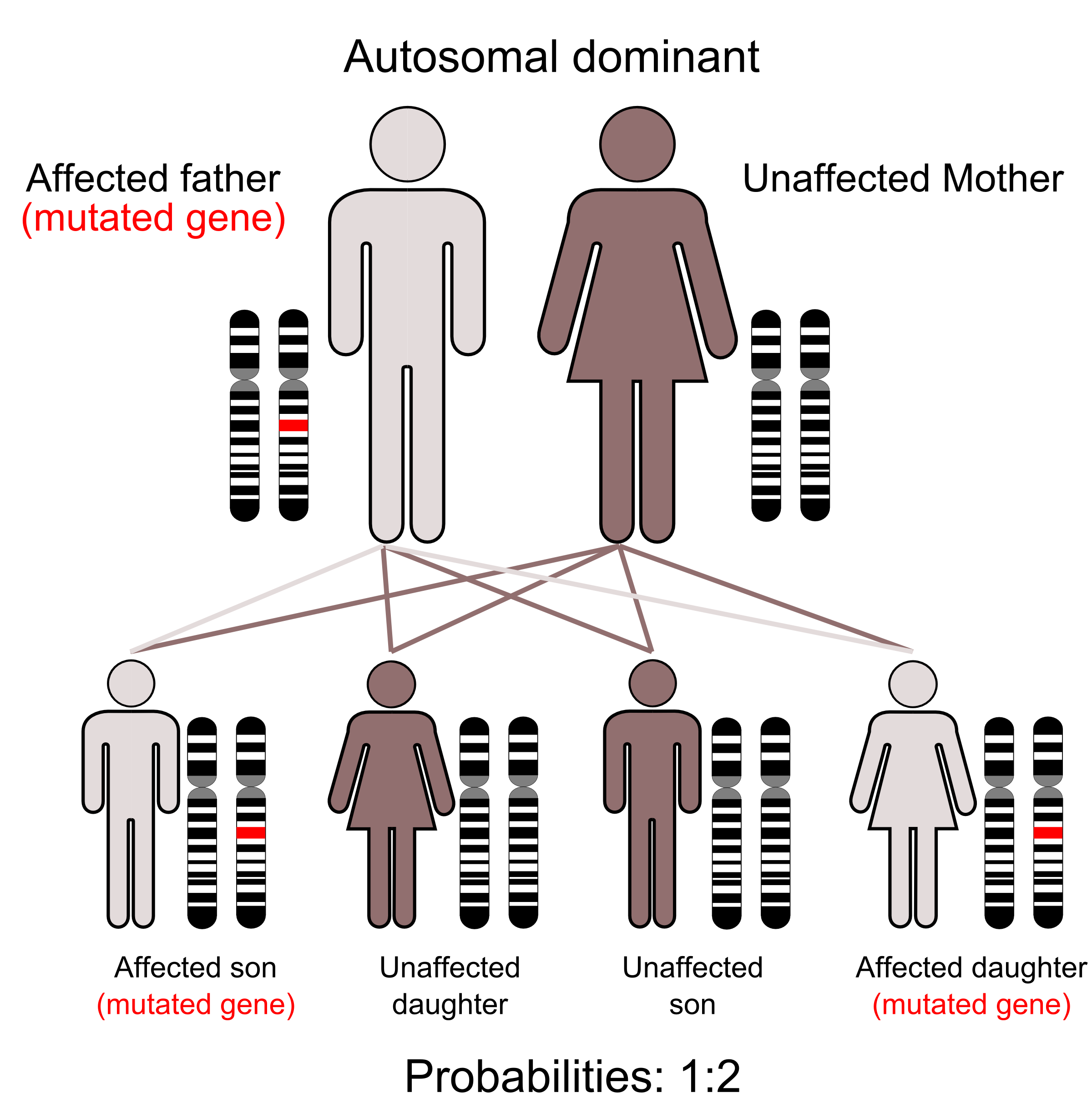
Autosomal Dominant (2022). Retrieved 23 March 2022, from https://upload.wikimedia.org/wikipedia/commons/3/34/Autodominant_en_01.png
Downloads
Published
Issue
Section
License
Authors who publish with this journal agree to the following terms:
Authors retain copyright and grant the journal right of first publication with the work simultaneously licensed under a Creative Commons Attribution License that allows others to share the work with an acknowledgement of the work's authorship and initial publication in this journal.
Authors are able to enter into separate, additional contractual arrangements for the non-exclusive distribution of the journal's published version of the work (e.g., post it to an institutional repository or publish it in a book), with an acknowledgement of its initial publication in this journal.
Authors are permitted and encouraged to post their work online (e.g., in institutional repositories or on their website) prior to and during the submission process, as it can lead to productive exchanges, as well as earlier and greater citation of published work (See The Effect of Open Access).